An ecosystem for the economic autonomy of Indigenous Peoples
The Indigenous economy exists. What was missing was the infrastructure for it to grow.
The Foundation exists so that Indigenous Peoples own their economic future. The 17,221 ventures mapped across Chile's 16 regions are already building it; this ecosystem exists so that path is provable: registry, verification and market.
Economic autonomy is built by businesses
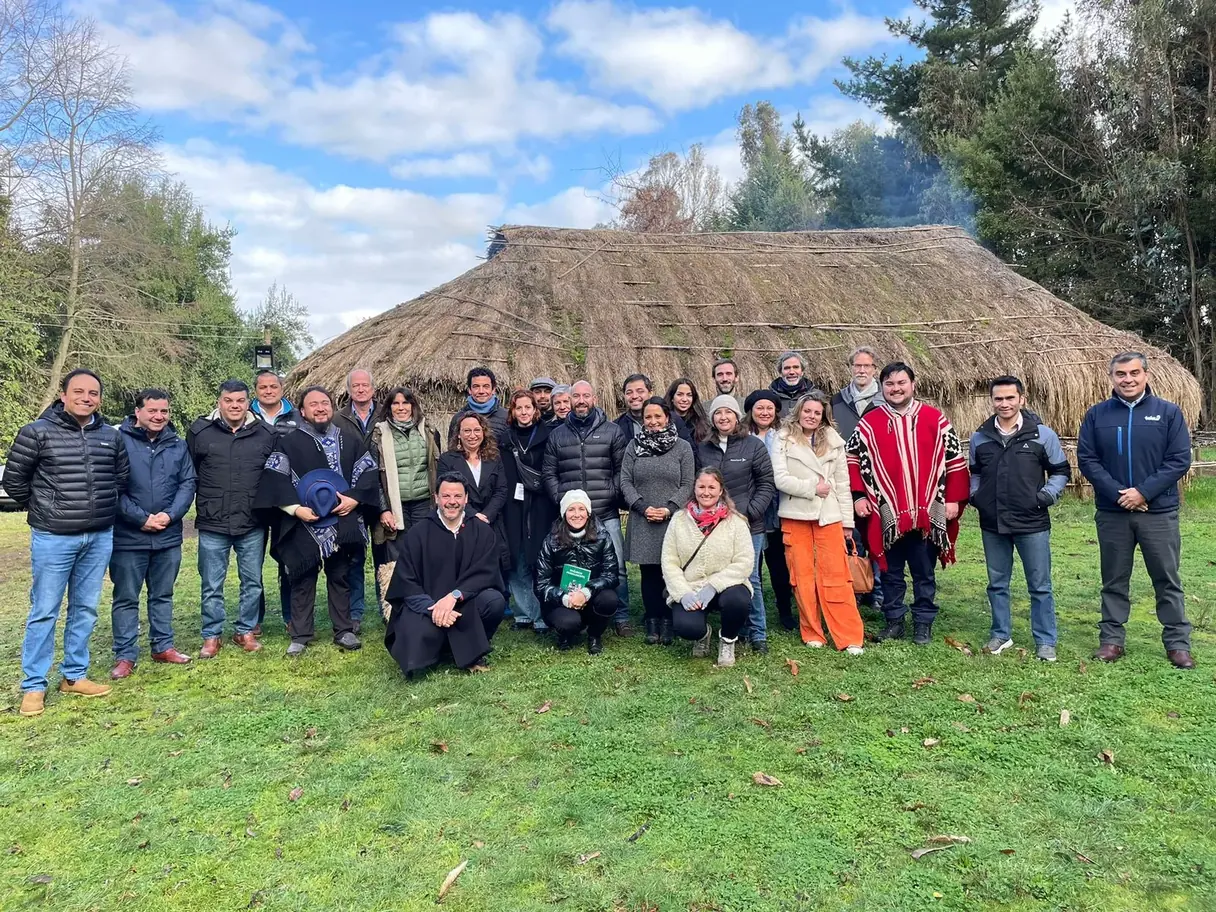
The Foundation was created in 2020, in Temuco, to contribute to the economic autonomy of the Indigenous Peoples of Chile and Latin America. That autonomy does not arrive through transfers or programmes: it appears when an Indigenous company invoices, hires, invests and decides for itself, in the territory it is part of.
Selling to large buyers is one of the ways, not the only one: formalisation, financing and market access matter too. It is the one this ecosystem can sustain with verification, and the one that today moves amounts that change a company's size.
The starting point, measured
- 17,221
- ventures mapped
- 16
- regions of Chile
- 2
- surveys: 2022 and 2025
From the Indigenous Census, with a signed annual report behind it. The aggregated dataset is open and downloadable, protected with k-anonymity. See the Census
Why this is not a diversity program
Companies operating on Indigenous territories need to demonstrate a real relationship with the local economy. The frameworks that require it are IFC PS7, the ICMM principles and GRI 204.
In 2025 diversity programmes were cut worldwide and Indigenous supplier programmes tied to territory did not move. They did not survive out of conviction: they are material to the business.
The gap Chile can close
One global mining company reports how much of its supplier spend reaches Indigenous businesses, country by country. The difference is not in the peoples: it is that Australia and Canada have had Indigenous registries, certification and financing running for decades.
The company's 2025 annual report. The full case, with figures and method, is in Cases.
A global movement has already proven the path
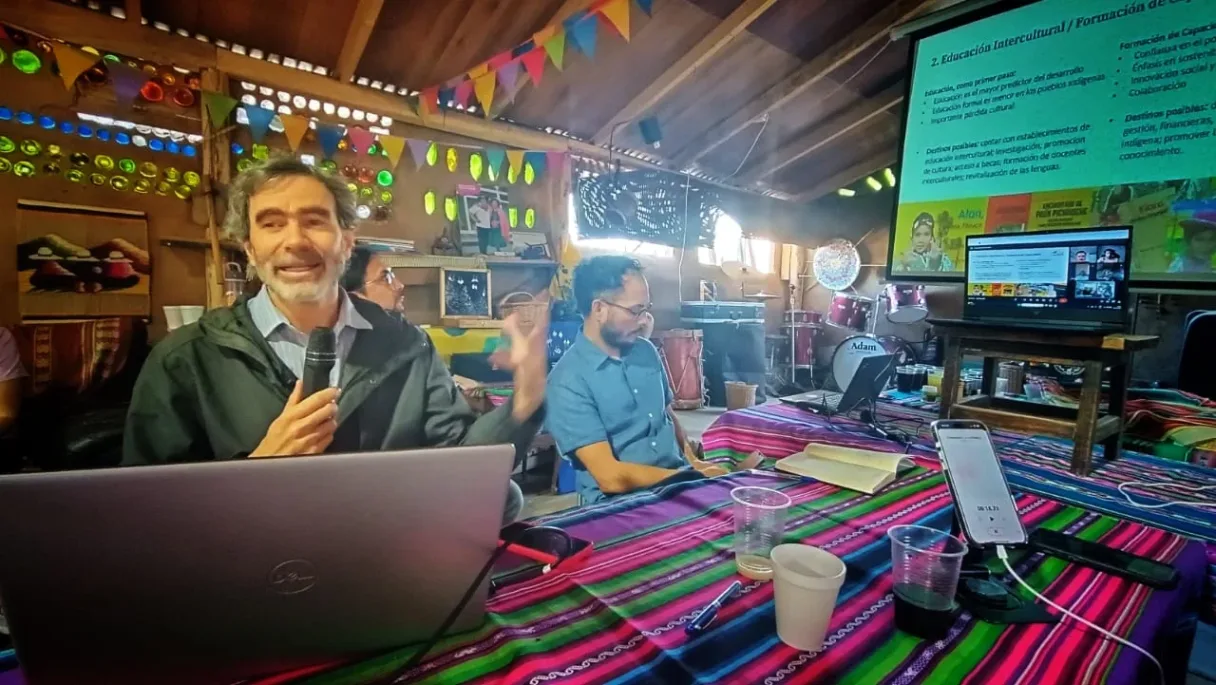
Supply Nation in Australia, NMSDC in the United States, MSDUK in the United Kingdom, CAMSC in Canada, SASDC in South Africa. The Chilean standard was built by looking at what already works there.
The trust wall
Between a company that declares itself Indigenous and one whose ownership, management and control were verified with documents there is a line, and that line is the product. A procurement team can report the second without exposure.
How a company is named
No company presents itself as an «Indigenous company» alone. Always with its level, because the level says what was verified.
- Registrada
- Enrolled, consented to appear, and the Foundation verified its Indigenous leadership against Article 5 of the Regulation and its tax registration.
- Certificada
- The committee checked with documents that at least 50% of the capital is Indigenous, and that management and control are too.
- Certificada + Auditada
- It also passed the supplier audit a large company requires of any critical supplier.
No level is written by hand: it derives from dated facts and changes only when those facts change.
The four platforms
Each one solves a stretch of the path. A company enters where it belongs.
- 01
Catastro Indígena
The census. How many there are, where, and in which sectors. Always aggregated, never individual records.
- 02
Directorio Indígena
The public registry. A company enrols, consents to appear, and shows as Registrada.
- 03
Sello Empresa Indígena
The certification. A committee verifies ownership, management and control, and issues a code anyone can check.
- 04
Compras Indígenas
Procurement. Connects buying teams with suppliers whose level is verified.
Who answers for the standard
Eleven people answer for the Foundation's decisions: Indigenous leaders, jurists and executives who put their name where the ecosystem puts its reputation.
 Andrés Antivil
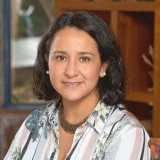 Carolina Nahuelhual
 Venancio Coñuepan
 Javier Zulueta
 Sandra Paillal
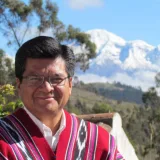 Luis Felipe Duchicela
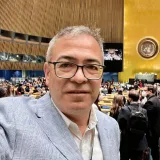 Rodrigo Paillalef
 Charles Kimber
 Juan Pablo Schaeffer
 Jorge Retamal
 Juana Zúñiga
How other countries did it
Three cases documented from primary sources, in a register a board or a procurement team can cite.
One point three per cent
The same company, the same policy, three countries. In Chile it buys from Indigenous businesses five times less, in proportion, than in Australia.
Australia: a procurement policy, and a register that makes it work
The Australian state sets mandatory targets. Supply Nation solves the problem those targets create.
Canada: autonomy through finance
First Nations Bank of Canada was not born Indigenous. It became Indigenous, and that is the interesting part.
Let's talk
Are you an Indigenous business and want to sign up or get certified? Start with the Directory.
Does your organization want to develop Indigenous suppliers with evidence it can use? Write to us.